A personal note for curious first-time travelers who want to see India with more confidence, context, and wonder.
Why I Keep Talking About India
Hi, I am Vaidehi. I am an Indian who lives in the US. I have been here for over 12 years now, and I have been married to my sweet American husband for over 5 years. Because of that, I have been lucky enough to live between two worlds and truly cherish both Eastern and Western cultures.
I see many similarities between the two, and I also see the differences that make each culture beautiful in its own way. For people who know me well, it is not surprising that I can talk about India for hours. A topic about my country lights me up.
I can immediately start talking about the beauty of my homeland, its hospitality, its rich history, its spirituality, and of course, its absolutely delicious food. India has so much to offer in every way.
But I have also noticed something over the years. Many people outside India, especially in Western countries, have a very limited picture of what India is.
What Most People Imagine When They Think of India
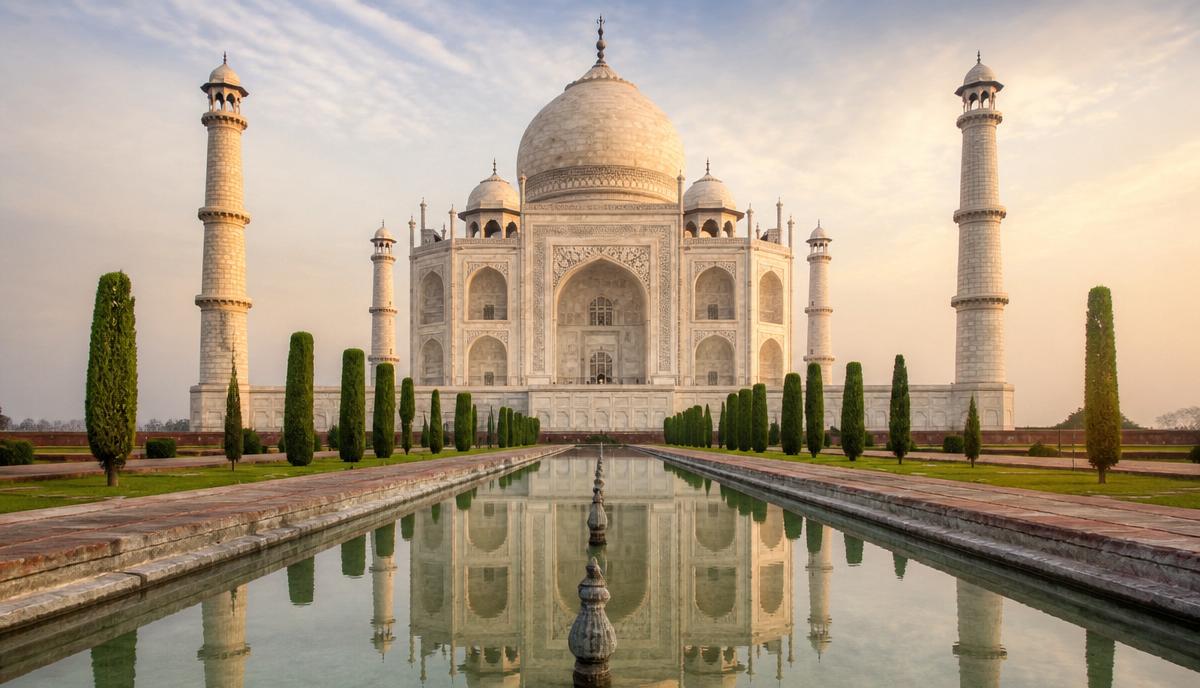
When some people think about India, they imagine very hot weather, busy streets, street vendors, cows blocking traffic, and one famous historic landmark: the Taj Mahal.
The Taj Mahal is a wonder, but that picture does not describe even 1% of India.
It is like imagining America only as cowboys riding horses, tall skyscrapers, and the Statue of Liberty. Or imagining France only through croissants and the Eiffel Tower. America has Yosemite, the Grand Canyon, Niagara Falls, the Great Lakes, the Rocky Mountains, white sand beaches, and wine country. France has countryside villages, lavender fields, coastal towns, castles, art, food, and so much more.
India is the same. The familiar image is only the beginning.
India Is Older, Richer, and More Layered Than Most Travelers Realize
India's civilizational story stretches back thousands of years, making it one of the oldest living cultures in the world. To put that in perspective, ancient Rome was founded in 753 BCE and lasted about 1,200 years before falling. India, meanwhile, has continued to evolve across languages, religions, philosophies, food traditions, and regional identities for millennia.
For much of history, India was also one of the world's great centers of trade and wealth. It had gold, diamonds, pearls, pepper, cinnamon, silk, and fine cotton that the rest of the world wanted. That richness made India a place many powerful rulers and empires tried to reach or control over the centuries.
The list is long: Persians, Alexander the Great, Greeks, Scythians, Huns, Arabs, Turks, Afghans, Mongols, Mughals, and later the Portuguese, Dutch, French, and British.
One fact that surprised many of my American friends is that Christopher Columbus sailed west in 1492 while searching for a route to India. He ended up reaching the Americas, but he died still believing he had found the Indies. That is one reason Native Americans were historically called Indians.
That is just one small piece of India's ancient history. Once you understand how old and layered India is, travel there starts to feel different. A fort is not just a fort. A temple is not just a temple. Every region carries a different chapter of the story.
India Is Not One Kind of Trip
India is not only diverse in history. It is also diverse in landscape. In a single trip, you can wake up to snow-capped Himalayan peaks, watch the sun set over the golden dunes of the Thar Desert, and end your week with your toes in the soft sand of a quiet Goan beach.
You can wander palace courtyards in Rajasthan, get lost in the buzzing markets of Mumbai or Delhi, drift down backwaters lined with palm trees in Kerala, or sip chai in a misty tea plantation tucked into rainforest hills.
That is what makes India so hard to summarize. It can be spiritual, adventurous, luxurious, coastal, historical, chaotic, peaceful, modern, ancient, and deeply personal, sometimes all in the same trip.
India is in the forts of Maharashtra, the stepwells of Gujarat, the temples of Tamil Nadu, the tea hills of the south, the backwaters of Kerala, the streets of Kolkata, the skyline of Mumbai, and the food stalls of Delhi.
And still, that only scratches the surface.
Modern India Is Just as Real as Ancient India
India has ancient heritage, but it also has very modern, bustling cities. Its population is young compared to many aging countries in the West, and that youth gives the country a restless energy.
Mumbai is India's financial capital. It has a huge skyline, and just like New York, it never sleeps. The Gateway of India, Marine Drive, and the Queen's Necklace are sights to remember. Mumbai has Dalal Street, similar in spirit to Wall Street, and it is also home to one of the world's largest film industries.
If Mumbai is the city of dreams, Bengaluru, still commonly called Bangalore, is where many of India's startup dreams are built. It is India's Silicon Valley and home to many tech companies, founders, restaurants, bars, and neighborhoods that feel as modern as any major city in the West, while still holding on to its own history and charm.
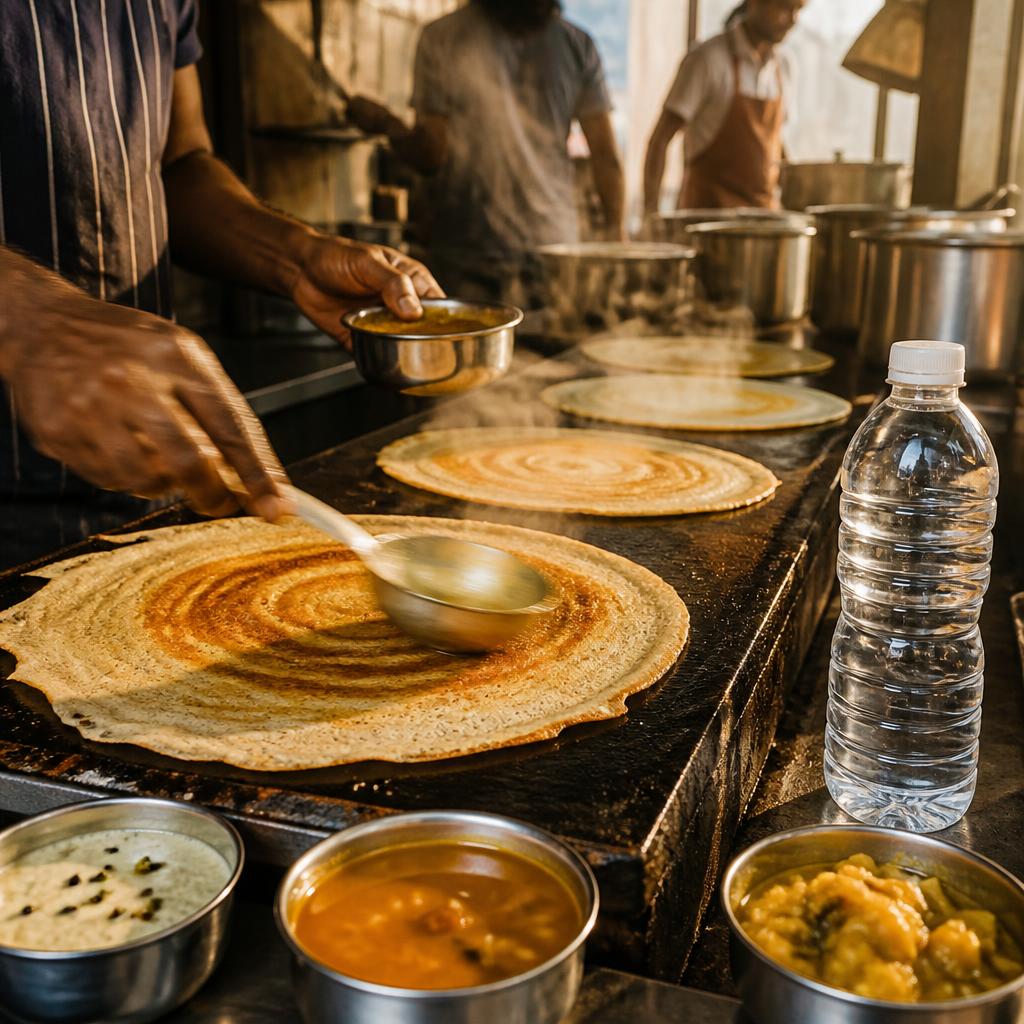
Delhi is India's capital, and you feel that as you move through the city: broad roads, government buildings, India Gate, the Red Fort, old markets, new cafes, and layers of history sitting side by side. Gurugram, just outside Delhi, is another major business and tech hub, with glass towers, restaurants, malls, and offices that surprise many first-time visitors. And the food in Delhi is an absolute must for food lovers. If you do not try it, you are missing out.
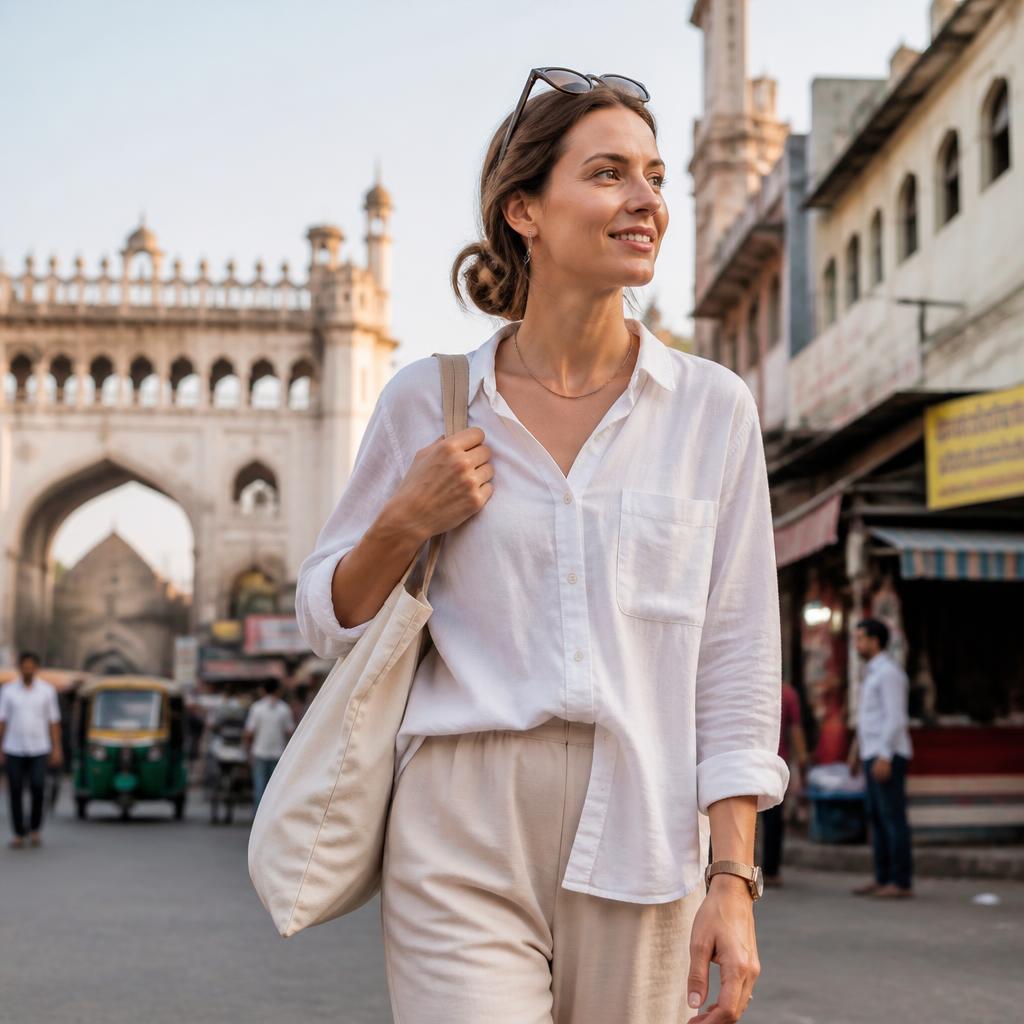
Chennai and Hyderabad are two other major cities in the South that attract students, engineers, doctors, entrepreneurs, and global companies. Hyderabad has its historic Charminar and a fast-growing tech scene. Chennai has a beautiful coastline, deep cultural roots, and a strong professional energy. Both cities show how old and new India live side by side.
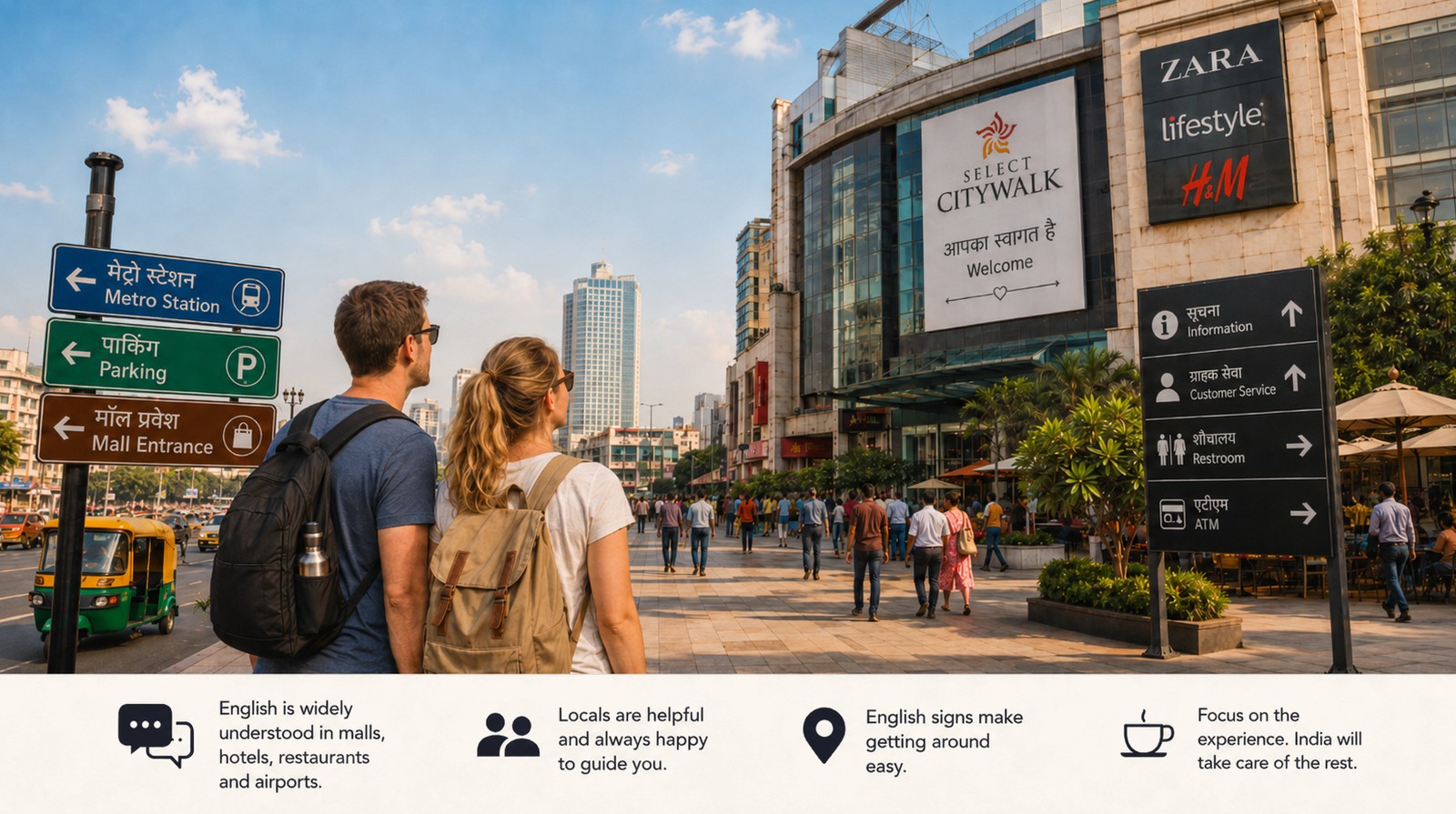
That is what people often miss. India is not frozen in the past. It is ancient and young at the same time. It has temples older than many countries, and it also has metro systems, global tech campuses, rooftop bars, luxury hotels, startup hubs, art galleries, malls, music festivals, and some of the most ambitious young people you will ever meet.
The India I Want More Travelers to Meet
The Taj Mahal is a wonder. But India's history does not start or end there. It is everywhere you look.
It is in the forts of Maharashtra, the stepwells of Gujarat, the temples of Tamil Nadu, the tea hills of the south, the backwaters of Kerala, the streets of Kolkata, the skyline of Mumbai, and the food stalls of Delhi.
It is in the way strangers offer directions, the way families feed guests, the way old rituals and modern ambition exist on the same street.
I do not want travelers to see a perfect postcard version of India. That would not be honest. India can be intense. It can be crowded, loud, layered, emotional, and overwhelming.
But it can also be gentle, beautiful, spiritual, luxurious, peaceful, and deeply welcoming.
That is the India I wish more travelers knew. Not just the India they have heard about, but the India they can actually experience with curiosity, comfort, and the right plan.
India does not need to be rushed. It does not need to be feared. It needs to be understood, respected, and experienced with the right expectations.
And when you do that, India has a way of staying with you long after you have come home.